Commercial HVAC calls on a residential line
The tune-up script meets a rooftop unit
Most residential-first HVAC shops do some light commercial work, and almost all of it arrives on the same phone number as the tune-ups. The CSR answering it was trained on homeowners: Name, address, what the system is doing, pick a window. That script works on a split system in a garage. It falls apart on a restaurant owner whose dining room is 84 degrees at 11:30 on a Friday.
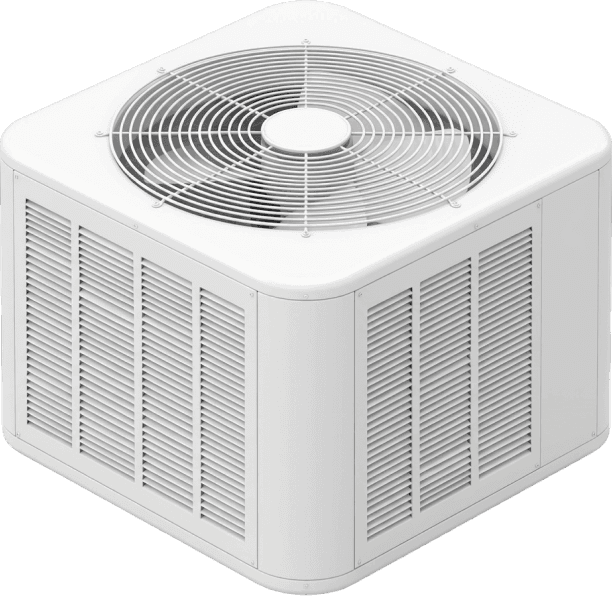
The equipment is different too. EIA's analysis of its 2018 commercial buildings survey, published in 2023, found that 55% of commercial buildings with cooling use packaged air-conditioning units, rising to 66% in hot climates. Those are mostly rooftop units, which means roof access, a site contact, and a different truck than the residential tech is carrying.
Who is actually calling
Commercial callers on a residential line fall into three shapes, and each wants something different in the first minute.
The business owner, often a restaurant, retail shop, or small office, is losing money by the hour and wants to know when someone will be there. The property manager is calling about one site today but controls many, and judges you on paperwork as much as speed. The service agreement customer already has a contract with you and expects the response window it promises, not the next open residential slot.
The property manager is the call that matters most and the one most often treated like a homeowner. One property manager can represent a dozen buildings. Get the first call wrong and you rarely hear about the other eleven.
What the first minute must capture
A commercial call needs fields the residential script never asks for. Captured on the first call, they spare the technician a wasted trip and the office a rejected invoice.
Field | Why it matters |
|---|---|
Business name and site address | Many managers call about one site among several; the address alone is ambiguous |
Agreement status | Contract customers get the contracted response, not the open residential calendar |
PO number and NTE | Without them the invoice may be rejected or the tech cannot proceed |
On-site contact and hours | Someone has to open the building and the roof access |
Equipment and symptom | A rooftop unit in a dining room is a different job than a split system in an office |
NTE and PO numbers are not paperwork
A not-to-exceed (NTE) amount is the dollar ceiling the customer has approved for the visit. If the diagnosis lands under it, the technician proceeds. If it lands over it, the technician stops and gets approval. A purchase order (PO) number is often what the customer's accounts payable team needs to match and pay the invoice.
Residential CSRs skip both because homeowners never have them. The result shows up weeks later: A technician who could not start the repair because nobody knew the limit, or an invoice sitting unpaid because it has no PO. Neither problem is visible on the day the call was booked. The cost of a mis-booked commercial call lands on the accounts receivable report, not the dispatch board.
Routing by the caller's clock
A residential call is booked into the next open window. A commercial call is booked around the business. A restaurant may need the unit fixed before dinner service, or may want the visit after close so the dining room is not disrupted. An office may need a technician after hours when tenants are gone. The intake question is not "when are you free" but "when can we get on the roof without disrupting your business, and who lets us in."
Routing follows from the first sentence. If the caller is a business, the call either books against your commercial rules or transfers to whoever runs commercial dispatch, with the fields above already captured. If you do not take commercial work at all, say so in the first minute and offer a referral, rather than booking a residential slot you will cancel.
What a mis-routed call costs
Consider a mis-route as an illustration. A property manager calls at 2 PM about a rooftop unit at one of 12 buildings. The CSR books it as a residential diagnostic for Thursday, with no site contact and no PO. The tech arrives, cannot reach the roof, and leaves. The manager calls a commercial contractor that afternoon and gives them the other 11 buildings at the next contract renewal. Nothing in the CRM records that loss.
Revin is built for this sort. It is custom-trained on your own call recordings, so it learns how your commercial customers actually describe themselves. It separates a business from a homeowner in the first sentence, captures the commercial fields, and books into ServiceTitan under your commercial rules or transfers to your commercial coordinator with the full context. Your CSRs keep the residential calls they know best, and commercial customers stop getting a tune-up script.
What is an NTE on an HVAC work order?
NTE stands for not to exceed. It is the dollar ceiling a commercial customer has approved for a service visit. If the technician's diagnosis and repair fit under that amount, work proceeds without another call. If the job will cost more, the technician stops and gets approval first. Capturing the NTE at intake keeps the technician from stalling on site.
How fast should commercial HVAC respond?
It depends on the service agreement and the situation. Contract customers expect the response window written into their agreement, and businesses losing revenue, such as a restaurant during service, need the fastest response you can commit to. Whatever the window, the intake call should state it honestly and book around the business's hours and access, not just the next open slot.
Do residential HVAC companies do commercial work?
Many do light commercial work, such as rooftop units on restaurants, retail stores, and small offices, alongside residential service. Larger commercial systems often go to dedicated commercial mechanical contractors. A residential-first company that takes commercial calls needs an intake process that recognizes a business caller and captures commercial details, or it should refer those calls on.
What is included in a commercial HVAC service agreement?
Most agreements list the covered equipment and sites, scheduled maintenance visits, filter changes, and the response time the contractor commits to for service calls. Many also set labor rates, after-hours terms, and approval limits for repairs. The exact terms vary by contractor, so the intake desk needs to know which customers have an agreement and what it promises before booking.
How often should rooftop units be serviced?
Many commercial service agreements schedule rooftop unit maintenance at least twice a year, before the cooling season and before the heating season, with filter changes more often where the air is dusty or greasy. The right interval depends on the equipment, the manufacturer's guidance, and how hard the building runs the unit, so it belongs in the agreement.

About Revin
Route commercial HVAC calls right the first time
Revin answers every HVAC call, sorts commercial from residential in the first sentence, and books or hands off with the work order details already captured.