Roofing intake: Commercial and residential on one line
One number, two businesses
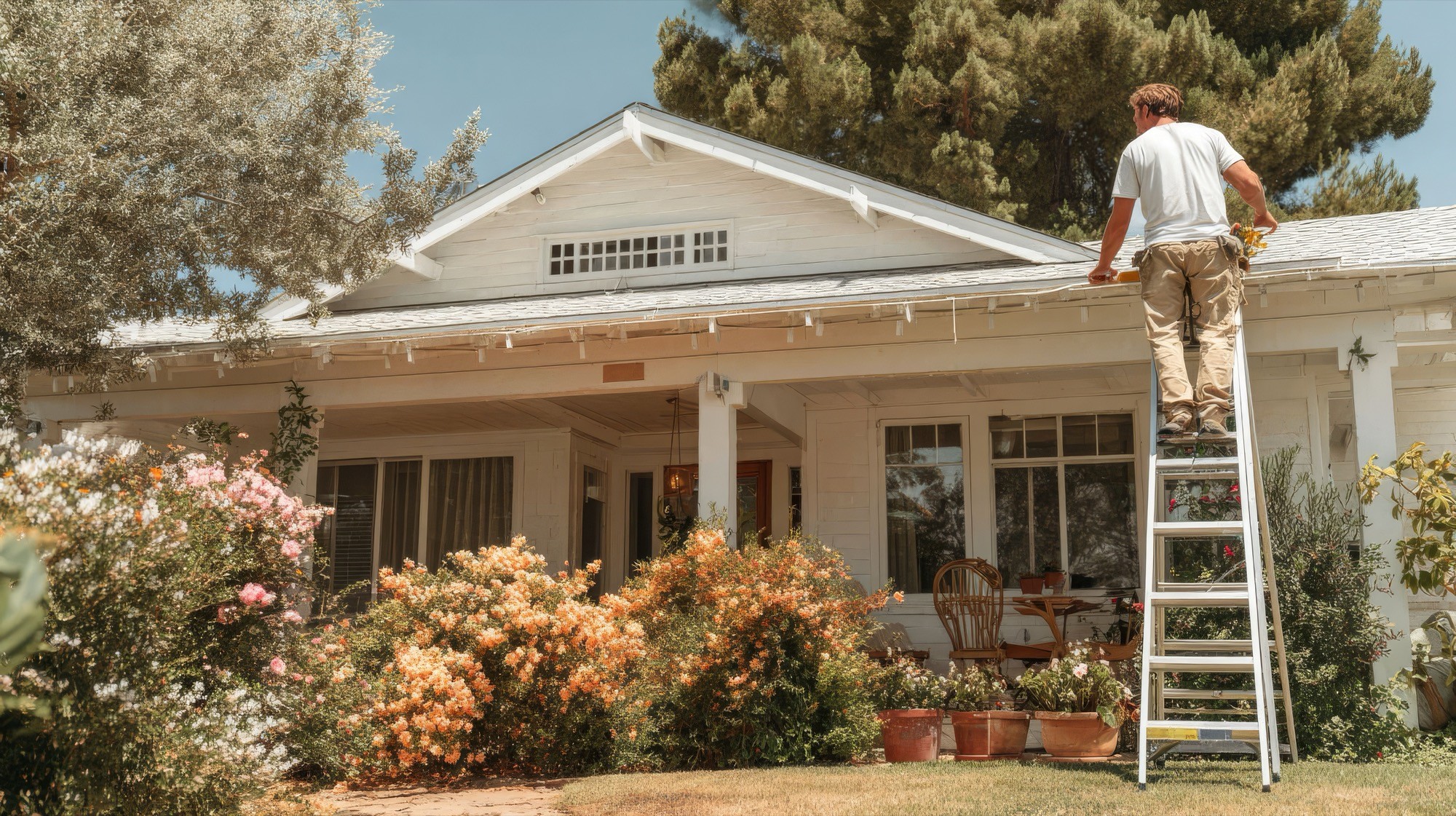
Most roofing companies that do commercial work publish one phone number. A homeowner with a hail-damaged shingle roof and a property manager with a leaking TPO membrane across 40,000 square feet reach the same queue and often the same script.
Those are not variations of one call. They are two businesses sharing a line. The qualification is different, the urgency is different, the decision maker is different, and the value of getting it wrong is not remotely symmetrical.
What a commercial caller needs in the first minute
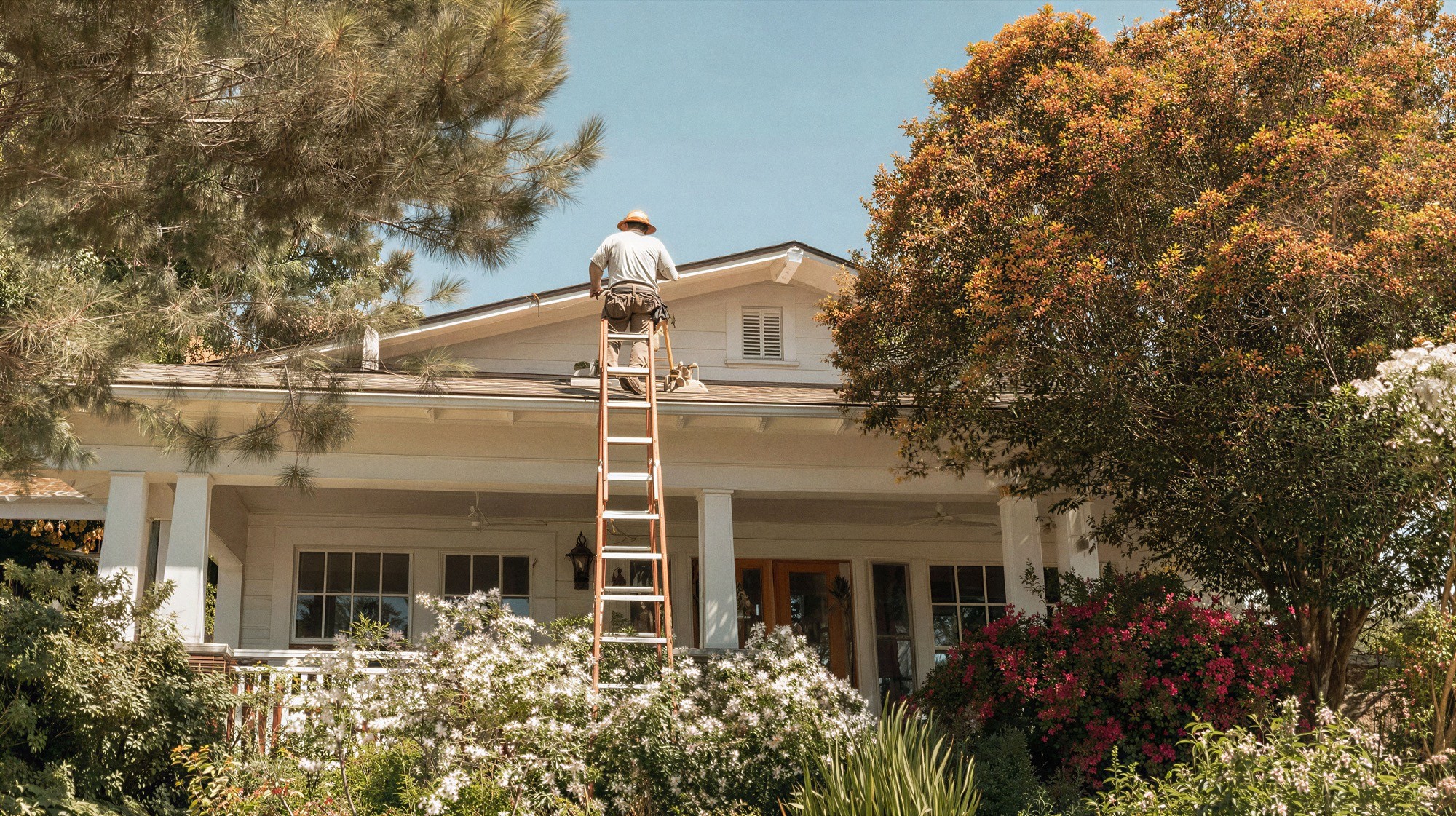
A property manager or facilities director is not asking whether you do roofs. They are calling about a specific building with a specific problem, usually active water intrusion affecting a tenant, and they are working against a lease obligation.
What they need to hear is whether you service that building type, whether you can be on site today, and who is going to call them back with a time. What they do not need is a residential qualifying script asking about homeowners insurance. A commercial caller can tell within thirty seconds whether they reached a company that does their kind of work, and they hang up and call the next one when they have not.
The asymmetry nobody prices in
A missed residential lead costs you an average job. A missed commercial relationship costs you a portfolio. Property managers rarely control one building, and a facilities director who finds a responsive roofer keeps calling for maintenance, repairs, and eventually the replacement cycle across everything they manage.
That is why mis-routing commercial calls is more expensive than the call volume suggests. You are not losing a job, you are losing a recurring account and every referral inside that management company.
Separating the two at intake
Signal | Residential path | Commercial path |
|---|---|---|
Caller identity | Homeowner or spouse | Property manager, facilities, GC, or owner rep |
Building | Single family, steep slope | Low slope, multi-tenant, or portfolio |
Driver | Storm damage or age | Active leak, tenant complaint, or capital plan |
Qualification | Insurance claim status and carrier | Building access, budget authority, and timeline |
Urgency | Inspection this week | Site visit today or tomorrow |
The split has to happen in the first thirty seconds, before the script commits to a direction. Once the agent has asked about homeowners insurance, the commercial caller has already decided.
What mis-routing looks like in the CRM
The damage is usually invisible because mis-routed commercial calls do not leave a record. A property manager who hangs up after the wrong second question never becomes a lead, so nothing enters the CRM and nothing appears in a report. The call shows as answered, and answered is what gets measured.
Two checks surface it. Pull calls over four minutes that produced no lead record, and listen to a sample. Then ask your commercial estimator how many of their accounts arrived through the main line versus a direct relationship. If almost none came through intake, intake is not sending them.
Why the routing keeps failing
It is not a training gap. Commercial calls are a small share of total volume, so a CSR handles dozens of residential calls between them. Pattern recognition degrades on anything rare, and the default script is the residential one because that is what the job mostly is.
The operations answer is usually a dedicated commercial line, which works and leaks, because the number on the truck and the number in the Google listing is the main one. The routing has to work on the line people actually call. Whatever handles your intake, the first test is whether it identifies a commercial caller before it asks a residential question.
Should roofers use separate numbers for commercial and residential?
A dedicated commercial line helps but leaks, because the number on your trucks, signage, and Google listing is the main one and that is what most callers dial. The more reliable fix is qualifying on the main line within the first thirty seconds, before the script commits to a residential direction.
How do you identify a commercial roofing call quickly?
Listen for caller identity and building type. Property managers, facilities directors, general contractors, and owner representatives identify themselves early, and they describe a building rather than a house. Active leaks, tenant complaints, and capital plans are commercial drivers; storm damage and roof age are usually residential.
Why is a mis-routed commercial roofing call so expensive?
Because property managers rarely control a single building. A facilities director who finds a responsive roofer keeps calling for repairs, maintenance, and eventual replacement across a portfolio. Losing that call is losing a recurring account and the referrals inside the management company, not just one job.
What should a commercial roofing caller be asked at intake?
Building type and access, the nature and location of the leak, whether tenants are affected, who holds budget authority, and the required response window. Insurance questions that fit a residential storm call are usually irrelevant and signal to the caller that they have reached the wrong kind of company.
Why do CSRs miss commercial roofing calls?
Commercial is a small share of total call volume, so a CSR may handle dozens of residential calls between them. Pattern recognition degrades on rare events and the default script is the residential one. It is a frequency problem rather than a training problem, which is why refresher training rarely fixes it.

About Revin
Route every roofing call correctly
Revin qualifies every roofing caller at intake, separates commercial from residential, and books into your CRM automatically.