The roofing storm surge playbook: Handling 10x call volume without breaking your call center
When the radar lights up, your phones do too
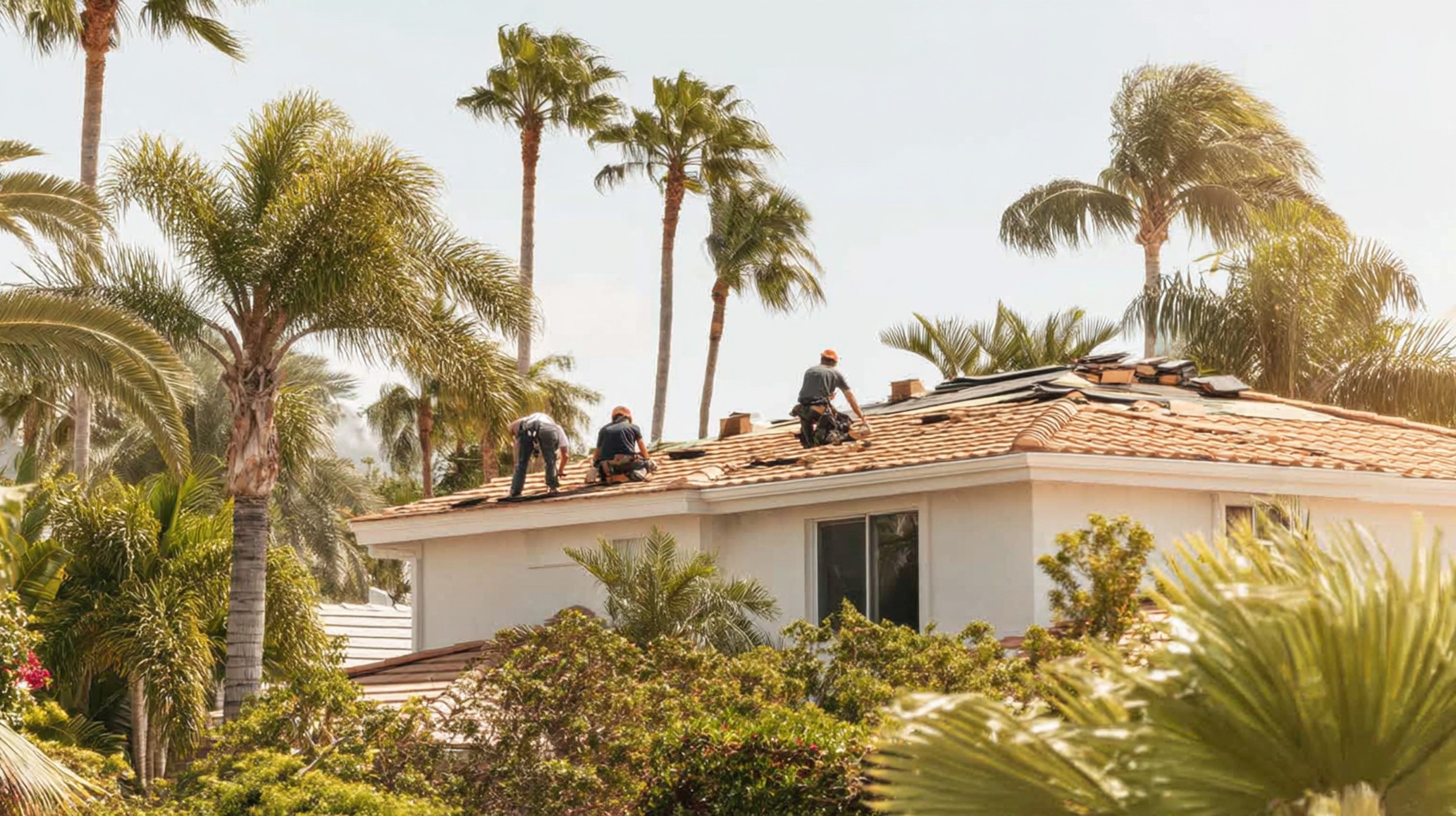
Every roofing operator with a few seasons in this business has lived it. A hail line moves through the metro at 9 PM. By midnight, social media is full of damage photos. By 7 AM, your call center is fielding a storm damage call every two seconds.
Most roofing operators are sized for baseline demand. A storm event compresses 30 days of inbound into 72 hours, which means even a well-staffed call center is overrun before the first inspector hits a roof.
Who actually wins storm season roofing leads
The roofing brands that consistently win storm markets are not the ones with the biggest crews. They are the ones with the most predictable intake. They answer faster, qualify cleaner, and get inspectors on calendars while their competitors are still routing voicemails to a callback queue.
There is no magic here. It is a question of capacity, script discipline, and CRM integration, executed across every call without exception.
The intake script that holds up under volume
If you do nothing else, get your intake script down to the questions that actually drive routing decisions. Every question that does not affect the next step in the process is wasting a second you do not have. The script should be identical whether the call lands at 2 AM with your overflow service or at 2 PM with your senior CSR.
Question | Why it matters |
What is the property address | Service area check, route assignment |
What type of damage are you seeing | Inspector skill match, materials prep |
Have you filed a claim yet | Stage of buyer journey, urgency tier |
Which carrier is the policy with | Adjuster relationships, claim documentation |
Who else is on the deed | Decision maker present, scheduling logistics |
When can someone be home for an inspection | Direct path to booking |
6 questions. Under 2 minutes if the call is going smoothly. Anything more is a luxury you can revisit when the surge passes.
Why the typical answering service breaks in a surge
Most generic answering services were built for general business after hours coverage. They take a name, a phone number, and a message. In a storm event, that is functionally the same as missing the call.
A homeowner with a damaged roof at 11 PM wants two things: A confirmed inspection time, and confidence that the roofer is real. A callback queue gives them neither, and the next contractor in the search results does.
The post-storm 72 hour decision window
The window for capturing storm season roofing leads is short. Insurance adjusters are surging through the same neighborhoods. Homeowners are calling 3-5 contractors before they finish their first cup of coffee. The contractor on the schedule before the adjuster arrives almost always wins the job.
Operationally, that means three readiness conditions need to be true before the next storm hits your market. Intake script printed, trained, and identical across every intake channel. CRM integration tested end to end so bookings land directly in the inspector calendar. Escalation rules defined for the calls that should go straight to a human.
Storm season is not the time to figure out your call flow. Storm season is when the work you did in February pays off.
How do roofers handle storm damage calls at scale?
The roofers who handle storm volume cleanly do three things consistently. They use a fixed 6-question intake script across every channel. They route bookings directly into their CRM with no manual handoff. They reserve human dispatchers for escalations only. At enterprise scale, this is the difference between booking thousands of inspections in the first 72 hours and watching the leads roll to voicemail.
What questions should be on a storm damage intake script?
6 questions hold up under volume: Property address, type of damage, claim status, insurance carrier, decision-maker presence, and inspection availability. Anything beyond those 6 is a luxury that should wait until the surge passes.
Why do traditional answering services fail during storm season?
Generic answering services were built for after-hours message taking. They do not know your service area, your intake script, or how to book into your CRM. A homeowner with a damaged roof at 11 PM wants a confirmed inspection time, not a callback queue. A callback queue is functionally the same as missing the call.
How long is the window to capture storm season roofing leads?
Roughly 72 hours. Adjusters are surging through the same neighborhoods, and homeowners typically call 3-5 contractors before settling on one. The contractor who gets on the inspection schedule before the adjuster arrives almost always wins the job.
How do you prepare a roofing call center for storm season?
Three readiness conditions before the next storm hits your market. Intake script printed, trained, and identical across every intake channel. CRM integration tested end to end so bookings land directly in the inspector calendar. Escalation rules defined for calls that need a human. Set this up in February, not in May.

About Revin
Built for storm season at scale
Revin picks up thousands of inbound calls at once, runs your intake script cleanly, and books inspections while competitors are still rolling to voicemail.