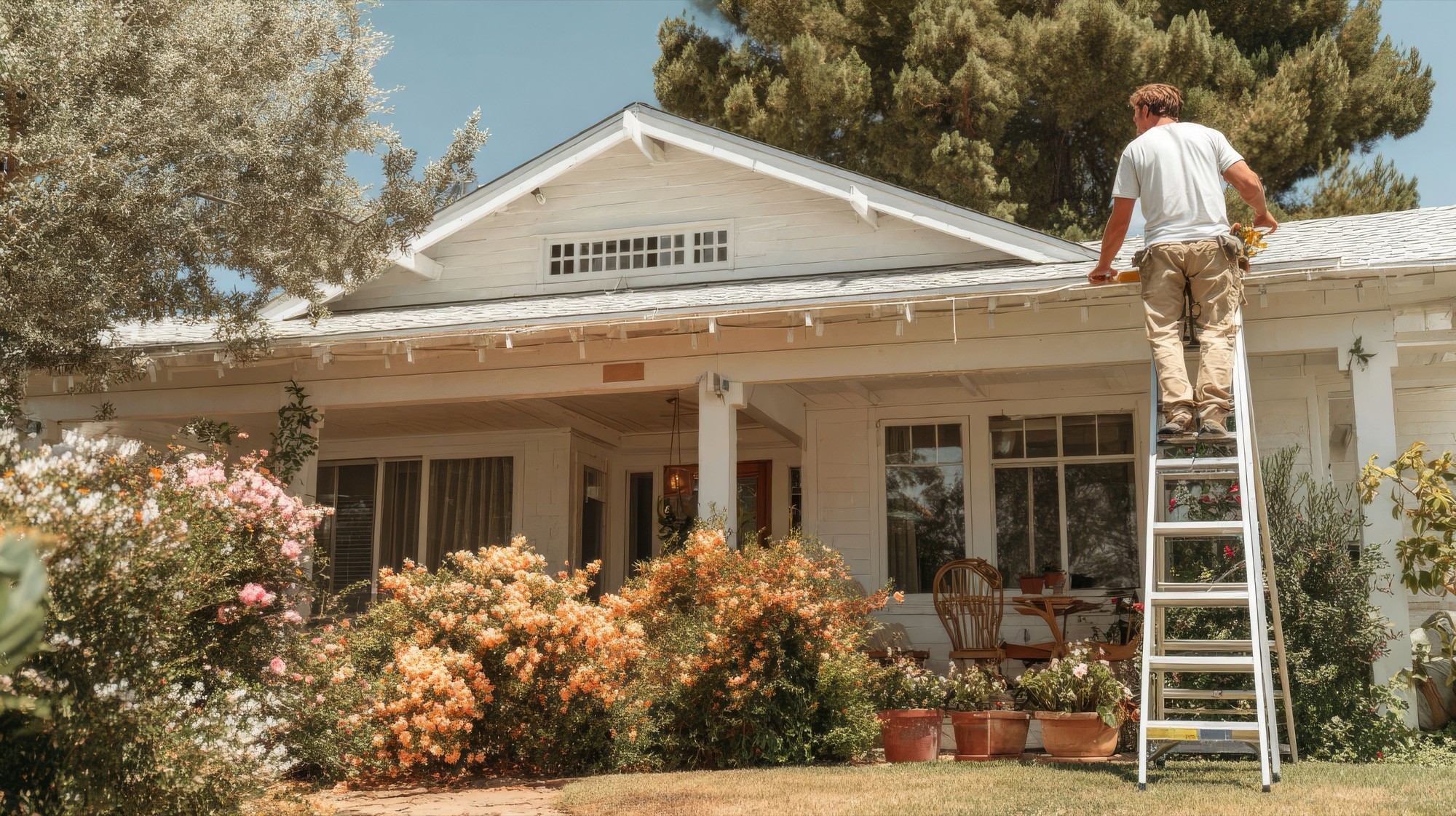
Small roof repair calls: Triage before the sales line
The caller wants three shingles, not a roof
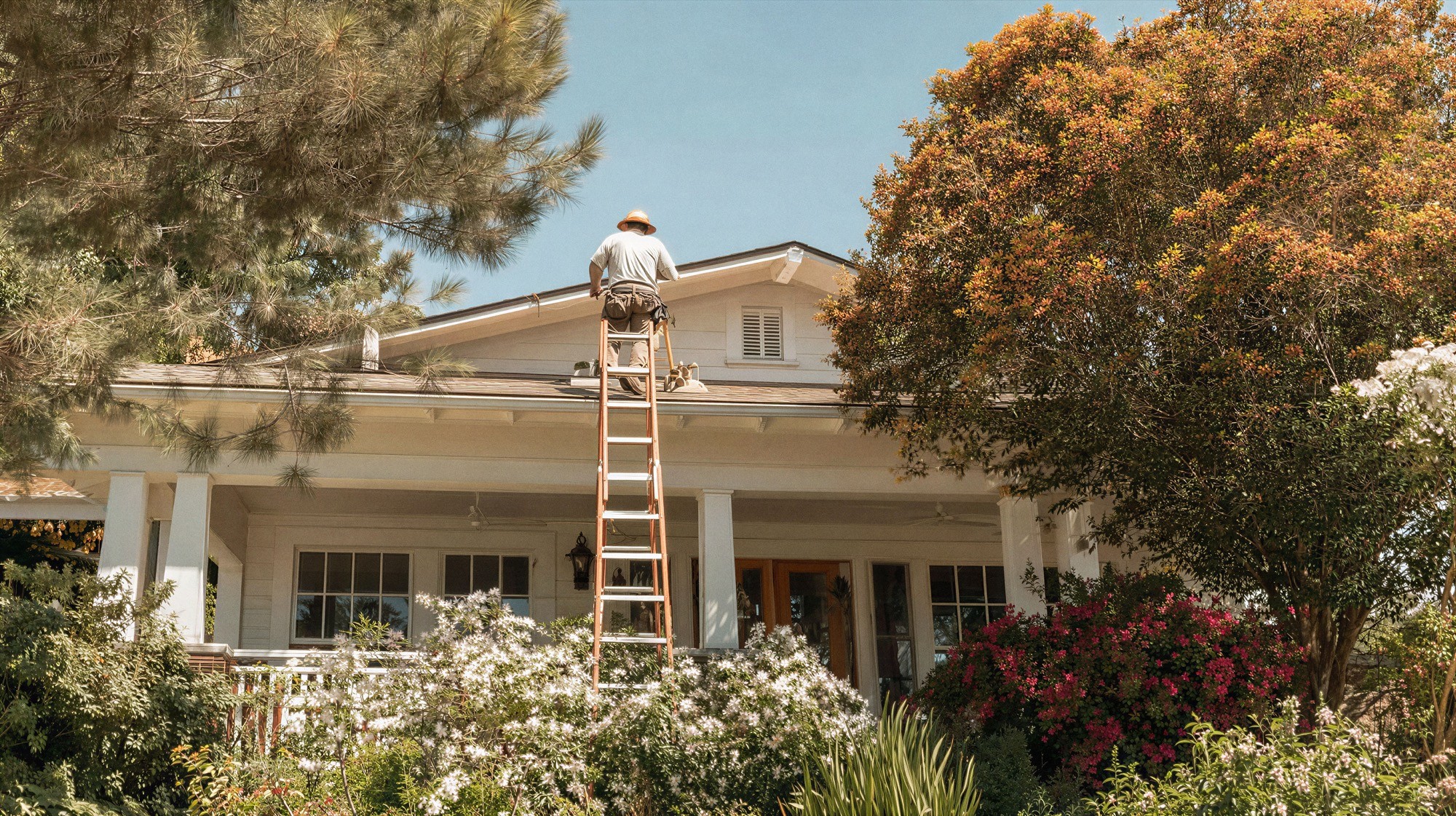
A homeowner who has never bought from you calls the main line. The wind took a few shingles off the back slope, or a pipe boot is cracked, or there is a stain under the chimney where the flashing has pulled away. They want someone to come fix it. They do not want a sales presentation.
Most sales lines handle this call one of two ways, and both lose. The office books the caller into a rep's inspection slot, and a closer spends ninety minutes on a job that pays a fraction of a replacement. Or the office says the company does not do small repairs, and the homeowner calls someone else. Homeowners asking why roofers will not fix small problems is one of the most common complaints in the search results for this topic.
Why the small call is worth answering
Repair is a different business from replacement. FMI's 2023 roofing market overview puts residential reroofing at nearly 70% of the $34.9 billion spent on residential roofing in 2021. The same report, citing the 2021 American Housing Survey, counts about 7.6 million roofing projects with a median cost of $8,000, which tells you how many of those jobs are well below the price of a full replacement.
The repair caller is also next decade's replacement lead. In Roofing Contractor's 2025 Homeowner Roofing Survey, 54% of homeowners said they would contact a firm they have used before when looking for a roofer. The company that fixed the vent boot is on the short list when the roof is done. The company that said no is not.
Write the policy before the phone rings
The CSR should not be deciding, call by call, whether a job is worth it. Write the rule down so the desk routes the same way every time.
What the caller describes | Where it goes |
|---|---|
A few missing or lifted shingles, ridge cap, one cracked pipe boot | Repair crew calendar, with a service visit fee stated on the call |
Leak at flashing, chimney, skylight, or a wall | Repair crew, photos first, with a note that the visit may become an inspection |
Several problems, an old roof, or curling and granule loss across a slope | Sales inspection, framed honestly as an assessment of the whole roof |
Flat or low-slope section, tile, or a material you do not service | Referral partner, with the referral logged in the CRM |
Active leaks from past customers belong to a separate service path, covered in an earlier post on warranty calls. This table is for new callers only.
Photos come before the truck
Most small-repair calls can be triaged with three photos and two questions. Ask the caller to text a photo from the ground of the damaged area, one wide shot of the slope, and, for a leak, one of the ceiling or wall. Then ask how old the roof is and whether anyone has worked on it before.
Those answers settle most routing decisions before anyone drives out. A wind-lifted tab on a five-year-old roof is a repair crew job. A twenty-two-year-old roof with granule loss across the photo is a sales inspection, and the homeowner usually knows it. A photo also tells the repair tech which materials to load on the truck, which is the difference between one trip and two.
Price the visit, not the repair
The caller's first question is what it will cost. Nobody can price a flashing repair over the phone, but the office can state the visit fee or minimum charge, what it covers, and whether it is credited toward the repair. A clear visit fee filters out the shoppers and sets the expectation before the tech arrives. A caller who balks at the visit fee was not going to approve the repair either.
Say the number the same way every time. If one CSR quotes a fee and another waives it, the policy is gone within a month.
Turn the repair into a record
The repair visit is the cheapest roof inspection your sales team will ever get. The tech is on the roof anyway. Have them note the roof's age, material, overall condition, and an estimated remaining life, and write it to the customer record in the CRM along with the photos.
As an illustration, an operator running 60 small repairs a month builds a list of 700 known roofs a year, each with an age and condition on file. When a hailstorm hits that zip code or a roof crosses twenty years, that list is where outbound calls start. Today's repair caller becomes a scheduled replacement conversation, not a cold lead.
None of this works if the call goes to voicemail. A traditional answering service takes a message and cannot route by job size. A busy CSR team may skip the photo request when the lines are full. Revin's agent, custom-trained on your own call recordings, can ask the triage questions, request photos by text, and book the repair crew or the sales inspection in AccuLynx, ServiceTitan, or Builder Prime. When the caller needs a person, it transfers to your team with the context attached.
Why won't roofers do small repairs?
Many roofing companies are built around replacements. Crews, sales reps, and schedules are set up for full jobs, and a small repair can take nearly as much travel and setup time for a fraction of the revenue. Some companies also struggle to diagnose leaks without a visit. Others run a separate repair crew or refer small jobs to a trusted partner instead.
Do roofers fix small leaks?
Many do, but they usually need to see it first. Leaks at flashing, chimneys, vents, and skylights are common small repairs. Expect the company to ask for photos, the roof's age, and where the water shows inside. Many charge a visit fee to find the source, and some credit that fee toward the repair if you approve it.
Should I repair or replace my roof?
Repair usually makes sense when the damage is isolated and the rest of the roof is in good shape for its age. Replacement becomes the better call when the roof is near the end of its expected life, leaks in several places, or shows wear across whole slopes such as curling shingles or heavy granule loss. An on-site assessment settles it.
How much does a small roof repair cost?
It depends on the material, the roof's pitch and height, access, and what the repair turns out to be. Many companies charge a minimum visit fee and then price the repair on site once they find the cause. Ask on the first call what the visit fee covers and whether it is credited toward the repair work.
Who should I call to fix a few missing shingles?
Start with a roofing company that lists repair service, or one you have used before. Ask whether they send a repair crew or a sales rep, what the visit fee is, and whether they can match your shingles. Texting photos of the damaged area first often speeds up scheduling and helps the crew bring the right materials.

About Revin
Route small repair calls the right way
Revin answers every roofing call, triages repair requests with photos, and books the right crew or inspection into your CRM.